
Elevate Your Living Room with Expert Interior Design
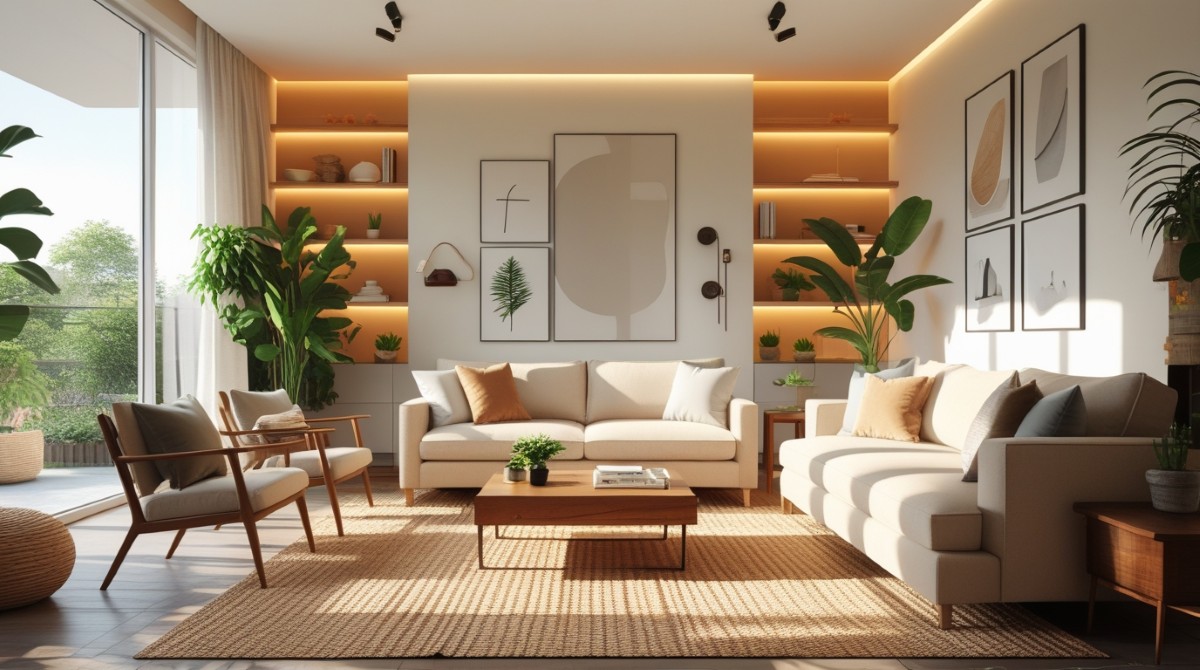
Start your living room makeover with a clear plan. Think about light, furniture placement, storage, and a focal point. Each choice should support the room’s overall look. Designers at Studio McGee and Minett Studio Architects + Interiors say to capture natural light. They suggest placing seating for morning and evening sun. Giulietti Schouten Weber Architects and Alison Felstead advise picking your sofa first. This ensures the room’s scale and flow are just right. Set one goal to guide your choices in materials, color, and decor. For a cozy feel, choose plush seating and layered textiles. Modern spaces need clean lines and a simple layout. Luxury is about refined materials and restraint, while minimalism focuses on essentials and smart storage. Use these goals to narrow your choices and find consistent inspiration as you shop and plan. Choosing the right sofa and primary seating for comfort and scale Start by choosing your main sofa first. Design experts like Alison Felstead say it sets the scale and flow of your room. A well-chosen sofa helps the rest of your furniture fit better Opt for clean shapes and comfy sizes that won’t go out of style. Use neutral fabrics that are easy to clean. This way, you can change up your look with cushions and throws without buying new furniture. Think about the visual weight of your furniture. Monica Wilcox and Michael Helwig’s work show how important scale is. For long rooms, consider a sectional or two seating groups to improve flow and conversation. Custom upholstery can be a smart choice for tailored fits and quality. Local makers like Joybird or Thonet offer great options. They can save you money in the long run because of their durability and repairability. Creating a focal point that isn’t just the TV Imagine where you want your eye to land when you walk in. A well,designed focal point in your living room adds balance and purpose. Use furniture, lighting, and textures to create a luxurious feel without focusing on the TV. Design around a fireplace, big artwork, or a unique architectural feature. Place two matching chairs or tables on either side of a fireplace for symmetry. Homes & Gardens advises pairing bold pieces with simple ones for a polished look. Integrate storage with built-in cabinetry to hide electronics. A local cabinetmaker can create custom millwork to hide the TV behind panels or art screens. This keeps the room looking refined. Alix Helps suggests painting a dark wall behind the screen to make it less noticeable. Choose wall art that looks like architecture. A large canvas or a carefully chosen gallery can anchor your seating. Accent lighting, like picture lights or recessed spots, will highlight the art and draw attention away from clutter or cables. Rug strategy: size, placement, and texture to define zones Imagine how a rug frames your seating and ties the room together. The right rug placement can change how you use the space. It can create a formal conversation area or a multi-zone living room for work and play. Choosing rug proportions so furniture sits on the rug Aim to have one,third to two,thirds of your furniture sitting on the rug. This makes the group look like a single unit. In larger rooms, push the rug under all front legs of sofas and chairs for a cohesive look. For a small living room decor plan, let at least the front legs of major pieces rest on the rug. This rule makes compact spaces feel intentional. Natural light and window treatments to enhance mood Putting your living room in the morning sun or evening glow changes its feel. Skylights and highlight windows bring light deep into rooms. This makes furniture placement flexible and enjoyable. Think of where to place windows as part of your room’s layout. Morning light warms up areas for coffee and reading. Evening light makes it cozy for talking or watching movies. These light patterns guide your decor choices. Capture morning and evening light with Elevate Your … Read more