
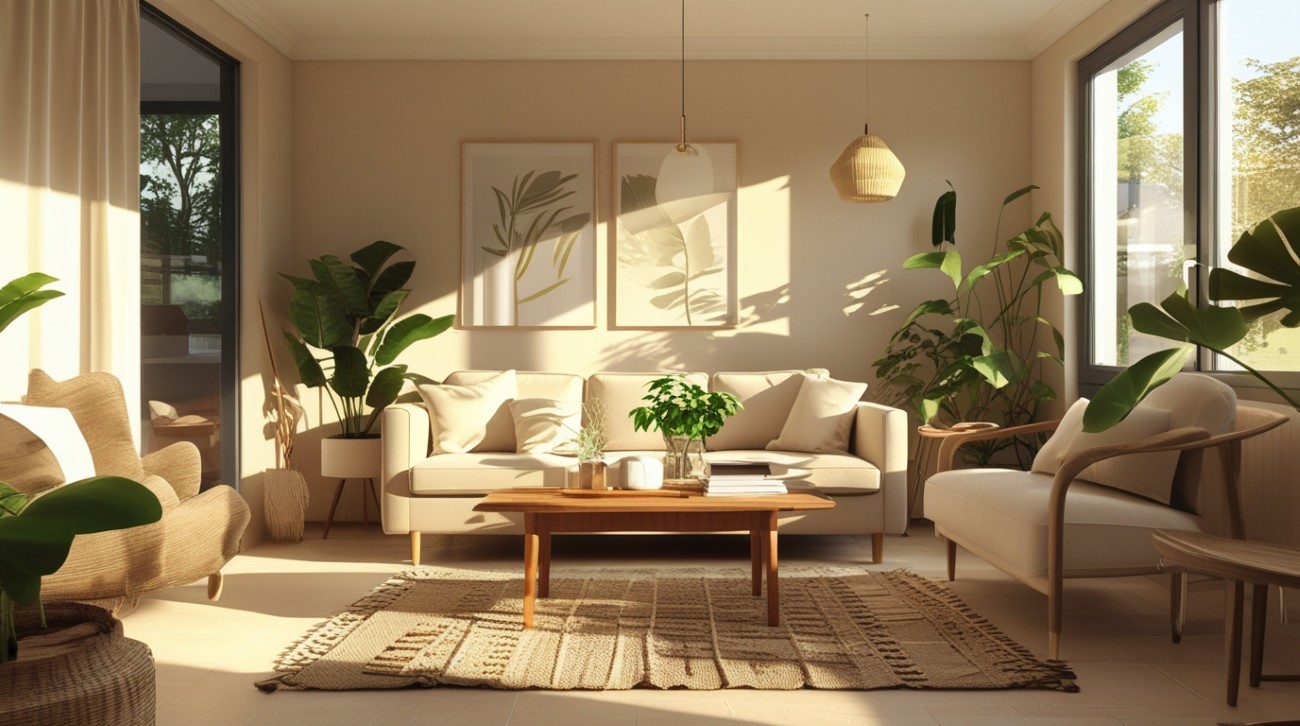
Could a few smart swaps and digital mockups turn your tired rooms into stylish home interiors that feel brand new
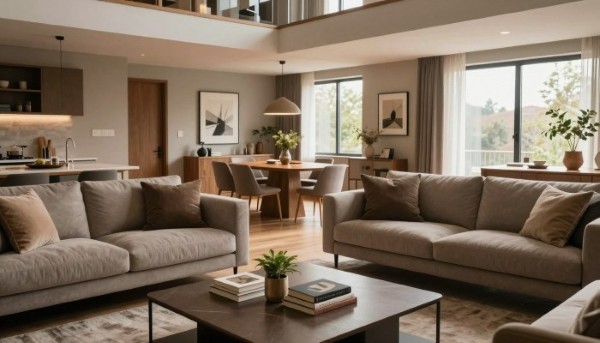
This guide combines hands,on tips with modern tech. You’ll learn simple, affordable moves. These include swapping throw pillows, rearranging seating, and refreshing wall art. They deliver big impact without a full renovation.
It also shows how interior design inspiration can come from unexpected places. Nintendo Switch games teach color and layout. Affordable finds from big-box stores and AI room reimaginer tools are also praised for helping users test themes and layouts before committing.
Why Home Interior Design Matters for Your Daily Life
You spend most of your time at home. Good home interior design affects how you feel and move. Even small choices in color and layout can change your mood.
Practical changes can make rooms calm, energetic, or focused. This is important for your daily life.
Your mood changes with light, color, and materials. Warm lighting and soft textures make evenings cozy. Bright colors boost energy for daytime tasks.
Setting Your Goals: Plan a Smart Room Makeover
Begin by imagining how you want the room to work. Think about your daily habits, who uses it, and what activities are most important. Having a clear purpose helps guide every choice in your makeover.
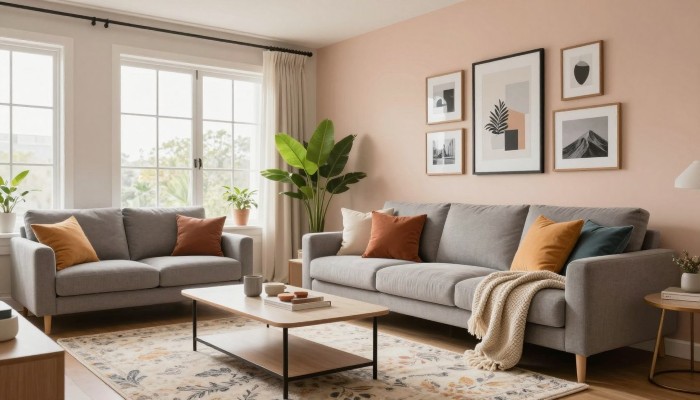
Then, make a list of what you need most. Prioritize things like storage, seating, lighting, and style. Small changes, like new throw pillows or a rug swap, can make a big difference. These small wins help you test ideas before spending more.
Make a budget plan that’s easy to follow. Divide your costs into three parts: DIY projects, medium investments like paint or new textiles, and contractor work for big changes. This helps you know when to do it yourself and when to hire a professional.
Choosing a Color Palette That Reflects You
Choosing the right color palette makes your rooms feel like home. Colors can set the mood, highlight architecture, and connect furniture. Use paint swatches and digital mockups to see how colors look in real light.
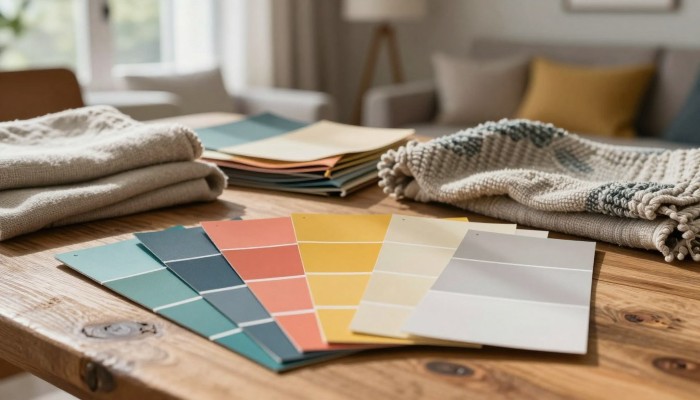
Using color to create the illusion of space
Light, cool colors reflect light and make rooms feel bigger. Use pale blues, soft grays, or warm whites to extend sightlines. Darker colors make walls appear closer and create a cozy feel.
Use mirrors, glossy surfaces, and good lighting to enhance the space. Apps can help you see how colors work together, saving time and money on repainting.
Follow current design trends but make them your own. Mix modern decor with timeless pieces to create a palette that’s both personal and lasting.
Furniture Selection Mix Styles for a Curated Look
Mixing pieces can make a room feel personal and stylish. Start with a modern piece and add vintage or thrifted items for contrast. This creates a unique and layered space.
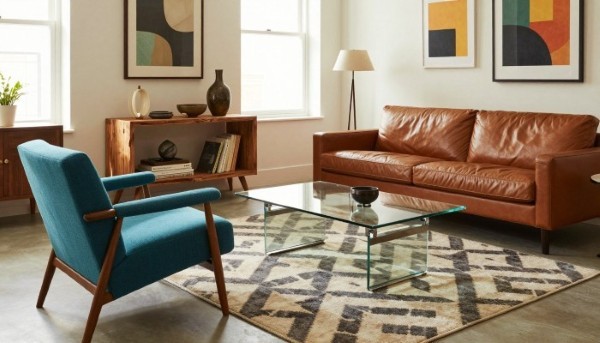
Choosing matching sets can make a room look flat. Interior designers like Kelly Collier,Clark suggest mixing styles for sofas, chairs, and tables. This approach makes each piece stand out and adds personality to your space.Combining modern home decor with vintage finds
Pair a sleek sofa with a mid,century coffee table or a vintage dresser. Modern decor offers clean lines and function. Vintage accessories add texture, warmth, and stories that show your taste
Layout and Rearrangement Tips to Refresh Any Room
Begin by examining your room’s layout. Think about how people move, where they look, and where the light is. Even a small change can make a big difference without buying new items. Use design inspiration from Architectural Digest or apps to help you decide.
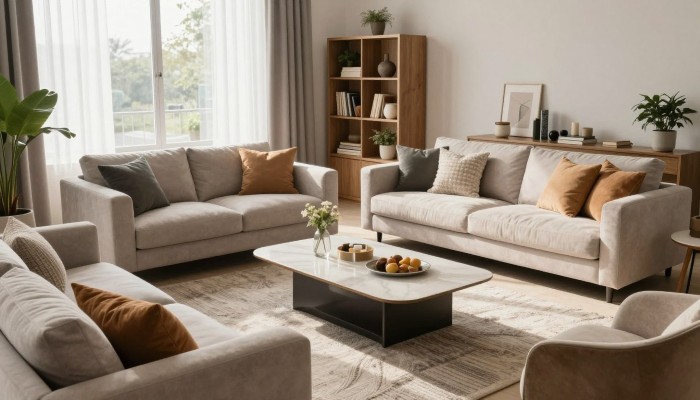
Consider what should catch your eye in the room. Move furniture to face a fireplace, window, or striking art. This change can transform how you use the space and refresh the room’s vibe.
Try out different layouts before buying anything. Use tools or sketch on graph paper to plan. Virtual staging lets you see how different setups look, helping you avoid indecision.
Lighting Strategies to Change the Mood Instantly
Good lighting can change a room faster than painting it. Use layered lighting to control comfort and focus. Pair ambient fixtures with task lamps and accent lights to quickly change a space from cozy to lively
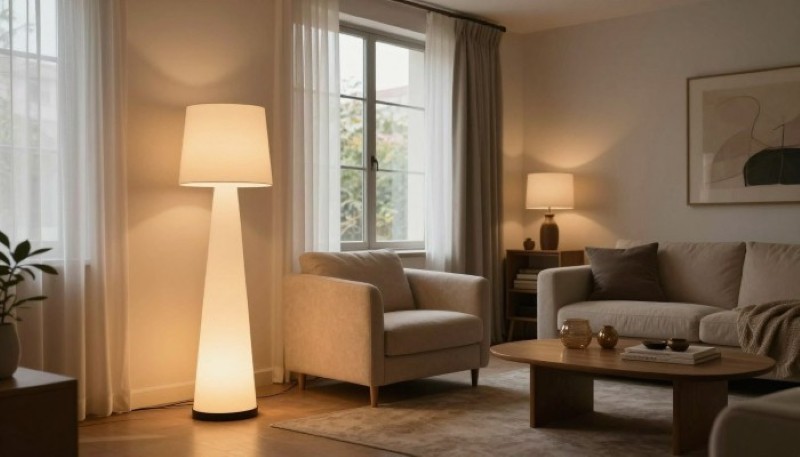
Start with a soft ambient source like recessed fixtures or a dimmable chandelier. Add task lamps near reading chairs, kitchen counters, and desks. Finish with accent lights to highlight art, shelves, or architectural details. This mix supports everyday tasks and creates clear visual depth.
Use color temperature and dimmers to tune mood. Warmer temperatures around 2700K make living rooms and bedrooms feel snug. Cooler tones near 3500–4000K keep kitchens and home offices crisp. Dimmers and programmable scenes let you move between scenes—movie night, dinner, or focused work—without changing fixtures.
Textiles and Accessories: Pillows, Rugs, and Art
Changing a room’s look is easy with textiles and accessories. Swapping pillows, throws, and rugs can refresh a space. Apps from Pottery Barn and Wayfair help you see how they’ll look before buying.
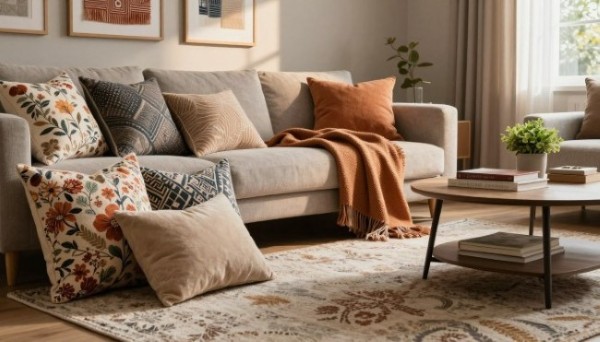
Choosing the right pillow sizes can add depth. Try pairing a 20×20-inch square pillow with a 12×20-inch lumbar pillow for contrast. Mix one bold print, one neutral, and a textured solid to balance patterns.
Seasonal textiles are a simple way to update a room. Switch to linen in summer and wool or velvet in winter. Target and IKEA offer affordable options to try new looks without breaking the bank.
Greenery and Biophilic Design for a Fresh Home
Adding plants to your rooms can lift your mood and soften harsh corners. They bring color, texture, and a living centerpiece. This supports biophilic design and gives you fresh interior design ideas.

Choosing between real and fake plants depends on your lifestyle. Real plants like snake plants and pothos are great for varied light and schedules. But, if you travel a lot or have little natural light, high-quality fake plants are a good choice.
Where to put plants for balance and air: place tall plants near seats to frame the area. Use medium pots on side tables and small ones on shelves for layered height. Groupings of three or five improve air quality and look natural.
Storage and Organization Without Sacrificing Style
Smart storage keeps your rooms tidy while lifting the overall look. Use multi-functional furniture, vertical shelving, and built-in units. These solutions blend practical storage with stylish home interiors. Small choices make big differences during a home renovation or a simple refresh
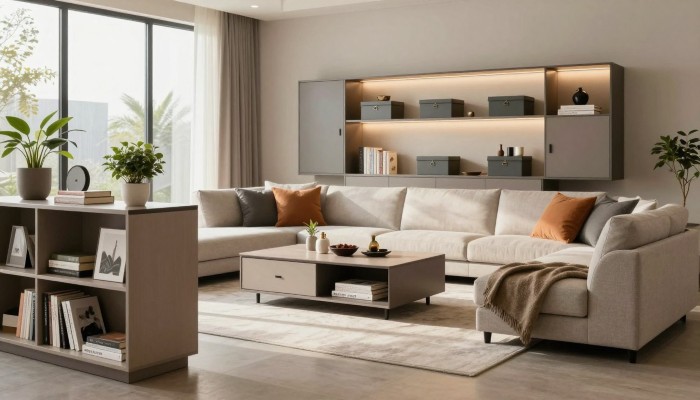
Ingenious small-space ideas
Choose ottomans with hidden compartments and beds with drawers to free floor space. Slim console tables and floating shelves create room for essentials without crowding sight lines. Stackable clear bins help you see what you own while keeping items out of view.
Declutter strategies before you refresh
Use the four-box method: keep, donate, sell, trash. Work one zone at a time so the task stays manageable. When you clear surfaces and assess what remains, you can plan storage that supports the new layout and can speed a home renovation.
Stylish containers and display tactics
Match woven baskets, lacquered boxes, and linen bins to your color palette for cohesive, stylish home interiors. Group similar items on trays or in uniform containers to create calm displays. Use open shelving to showcase curated items and hide clutter in attractive boxes.
Modern Home Decor Trends You Can Adopt Now
Refresh your rooms with smart moves that follow current trends. Choose elements that feel personal and practical. Use digital mockups to test finishes, textures, and pattern mixes before you buy.

Minimalism and maximalism are no longer opposites. You can mix clean lines with bold objects for balance. Start with a simple palette and add bold pieces. This keeps your space calm while showing your personality.
Sustainable materials are key for lasting design. Look for FSC-certified woods, recycled textiles, and low VOC paints. Brands like Benjamin Moore or SherwinWilliams offer these options. Choosing reclaimed oak or hemp fabrics reduces waste and fits current sustainable goals.
Room-Specific Makeover Ideas for Living Areas
Start with small wins that change how you feel in each space. A targeted room makeover can refresh form and function without a full renovation. Use visuals, textiles, and smart edits to test ideas before you commit.
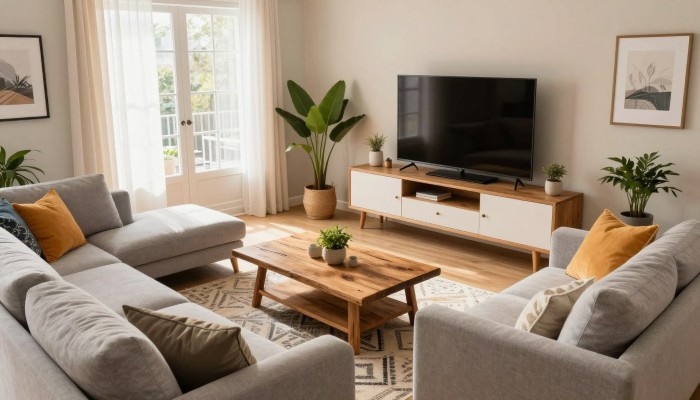
Living room upgrades that don’t break the bank
Swap throw pillows and a new rug to update color and texture quickly. Rearranging seating can create a stronger focal point and better flow. Add a fiddle leaf fig or a high-quality faux plant for height and life.
Refresh artwork with inexpensive frames or a gallery wall made from prints. Change lampshades and introduce layered lighting to shift mood from bright and active to cozy and quiet. These simple moves deliver a living room makeover that looks current and costs little.
Using Digital Tools and Apps to Visualize Changes
Try out simple changes before you buy paint or a new sofa. Digital tools help you see how big changes like color changes or layout shifts will look. This way, you can avoid expensive mistakes and make decisions faster.
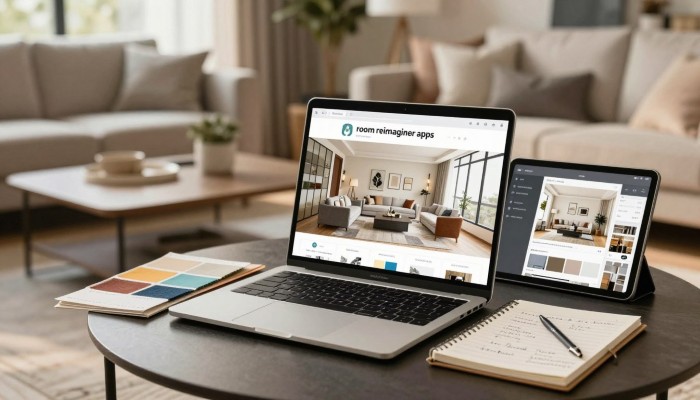
Room reimaginer apps and AI-generated mockups
Open a room reimaginer app and upload a clear photo of your space. Use the app to change finishes, test furniture,and see AI-generated mockups. These mockups show how things will look in real life, with lighting and textures.
DIY Projects and When to Hire a Professional
Small, fun projects can make a big difference in your home. Try painting an accent wall or making DIY art. These changes can refresh a room without breaking the bank.

Know when to do it yourself and when to call a pro. Painting and hanging art are usually DIY tasks. But, always check home renovation tips to avoid mistakes.
Look for signs you need a professional. If you’re dealing with major changes or need permits, it’s time to hire someone. An interior designer can help with layout and finishes, saving you time and money.
Interior Design Inspiration: Sources to Spark Creativity
Need a quick spark for your interior design? Start with fun tools, check out magazine spreads, and read real home stories. These sources help you create mood boards and test ideas before you buy.
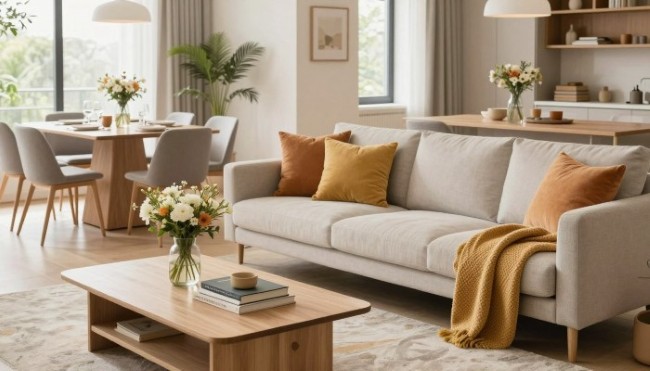
Design games are great for learning about color, texture, and furniture. They let you play with different options in a virtual room. This hands-on approach sharpens your eye and teaches you without the risk of real-world mistakes.
Shelter magazines and designer edits are full of current trends. Editors at Architectural Digest and Elle Decor show you how to adapt these styles. Mix high-end ideas with budget finds from Target or IKEA, or use what you already have to stay stylish without spending too much.
Home interior design essentials for a stylish
Start by naming how you use each room. Knowing your daily routines helps you choose the right furniture, lighting, and storage. This approach keeps your projects practical and supports your real-life needs.
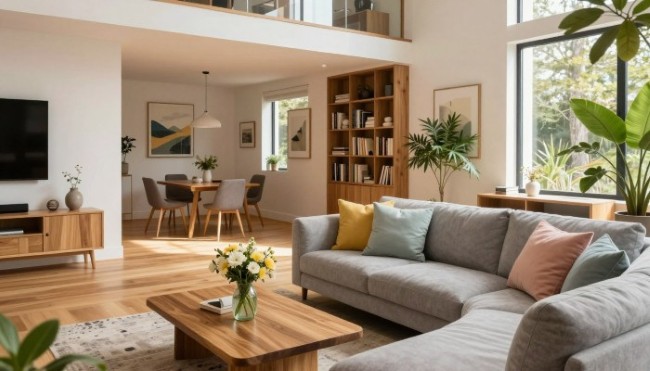
This guide offers a clear, practical start to home interior design. It helps you plan, visualize, and act. You’ll find simple home decor ideas and interior styling tips that are easy to try. Many of these ideas won’t cost a lot.
Start with a plan: pick a color palette that feels like you. Choose furniture for comfort and flow. Add lighting and art to complete each room. Modern home design mixes function with personality, from clever storage to sustainable textiles.
Furniture selection and layout to maximize comfort
Choose furniture that fits your lifestyle. Pick items that support your daily activities, like a comfy sofa for movie nights or a small desk for work. Make sure the furniture is the right size for your room and ceiling height.
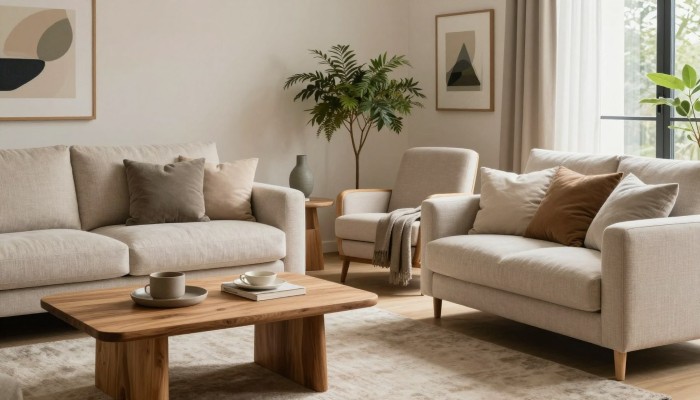
Mix different finishes and styles to create a unique look. Instead of matching sets, pair a modern sofa with vintage chairs. Add rugs, cushions, and throws to make your space cozy and inviting.
Skip matching sets: how to curate a layered look
Begin with a key piece, like a sofa from West Elm or Article. Then, add chairs from IKEA or Crate & Barrel that contrast. Use colors, textures, and patterns to tie everything together. Update your decor with new items each season to keep things fresh.
Lighting design tips to create mood and function
Lighting can change how a room feels and works. Think of it as part of your interior styling toolkit. Warm bulbs make a living room cozy. Cooler light keeps a kitchen bright and efficient.
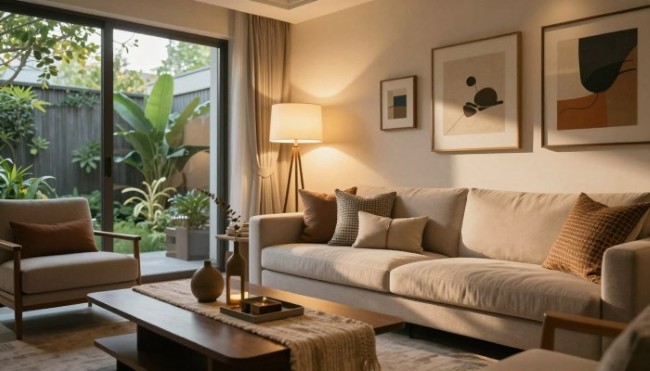
Using light to highlight art, textures, and architectural details
Light can transform surfaces. Angle narrow-beam fixtures to bring out plaster relief, brick, or wallpaper pattern. Use picture lights or low-voltage track heads to make artwork pop without glare.
Keep distances in mind. A close spotlight creates drama. A wider wash reveals texture evenly. Test placement with a temporary lamp before you drill or hardwire fixtures.
Interior decorating tips for quick, visible updates
Small changes can make a big difference when you want to update a room fast. Use a simple checklist to guide quick swaps. These changes improve flow, color, and personality without a full remodel

Refresh with throw pillows, rugs, and textiles
Start with textiles to change mood and texture. Swap throw pillows for seasonal colors. Mix solids with patterned covers to add depth.
Layer rugs to create cozy zones and anchor seating. Bigbox retailers like Target and Wayfair offer affordable pillows and rugs. They deliver major visual impact.
Modern home design trends that last
Start with a solid base: choose a durable sofa, well,made tables, and finishes that last. This way, you can update the room over time without replacing everything. It keeps your home flexible and in line with timeless design.

Mixing old and new adds character. Pair a sleek midcentury sofa with a brass lamp and a minimalist rug. Use styling to blend textures and colors, making it look intentional.
Combine vintage finds with modern lighting and simple storage. This way, you get the charm of old pieces and the simplicity of new design. Small accessories let you try out trends without big commitments.
Using plants, greenery, and accessories to elevate spaces
Make your rooms come alive with plants and accessories. Plants bring texture, color, and clean the air. Accessories complete the look and make your home feel finished.

Real vs. faux plants: real ones grow and change with the seasons but need care. Faux plants, like those from Nearly Natural or Pottery Barn, look real and save time. Mix both for a balance of beauty and ease.
Choosing statement plants and placement tips: a big plant, like a fiddle leaf fig, can anchor a room. Place them near fireplaces, windows, or sofas. Use stands, baskets, and pedestals to add height and avoid clutter.
Conclusion
- A good plan is key to a great home interior design. It’s all about balancing colors, textures, and lighting. Make sure furniture and storage fit your lifestyle.
- Start with what works best, then add style to make it your own. This way, your space will feel both personal and cozy.
- Small changes can make a big difference. Try new throw pillows, a fresh rug, or plants. Even rearranging furniture can change a room’s feel.
- Mixing old and new pieces adds character. This approach helps create a unique look without breaking the bank.
- For bigger decisions, use tools and apps to see how things will look. They help you avoid mistakes, save time, and choose the right renovations.
- With careful planning, smart updates, and the right lighting, you can turn your home into a stylish, functional space. It will be a place you truly love.





1 thought on “Home Interior Design Transform Your Space”